Make Mixes Translate Beyond Your Studio
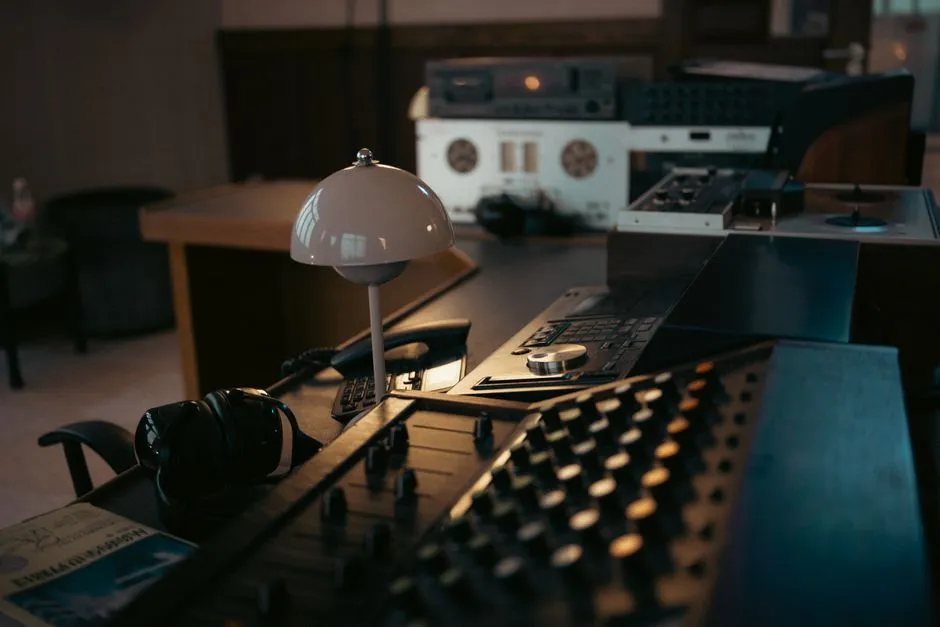
Treat translation as a repeatable test
A mix translates when its balance, priorities, tone, and emotional impact remain convincing across different playback systems. It does not need to sound identical everywhere; no mix can make a phone speaker become a full-range studio monitor through optimism. The goal is for the song's important relationships to survive each system's limits.
Begin in the most reliable listening position you can create using sensible room treatment and a repeatable monitoring route.
Establish a dependable main balance
Before checking ten devices, build a clear balance on your primary system. Noise-induced hearing loss is permanent, and exposure depends on both sound level and time. NIOSH describes 85 dB(A) over eight hours as an occupational limit, halves allowable time for every 3 dB increase, and cautions that this is not a recreational-listening guarantee. Reduce level and exposure time when using speakers or headphones; see NIOSH guidance.
If decisions change wildly after every playback, simplify the mix. Confirm arrangement, fader balance, panning, and obvious tonal conflicts before adding more processing.
Compare references at similar loudness
Use stylistically relevant songs through the reference-track workflow. Match perceived level as closely as practical and compare broad qualities: vocal position, low-end weight, brightness, density, depth, and section contrast.
Do not chase an exact spectrum or copy another production's signature. Your arrangement may need a different answer. A reference is a ruler, not a costume department.
Use a small playback circuit
Choose a few systems that reveal different issues: main speakers, familiar headphones, a small speaker, and another ordinary system you know. Use the same mix version and the same short section at first.
Write observations without editing immediately: vocal low in chorus, bass note jumps, snare too sharp, reverb disappears. Repeated notes across systems deserve priority; one device's peculiar complaint may belong to that device.
Diagnose the cause, not the location
If bass overwhelms one system, inspect arrangement, room judgment, compression, and note consistency before simply reducing all low frequencies. If the vocal vanishes on small playback, competing midrange or excessive width may be more relevant than raw vocal level.
Return to the main session, make one controlled change, and export a clearly named revision. Avoid adjusting the mix on an unfamiliar consumer device whose controls and processing you do not understand.
Check mono and low volume
Mono reveals cancellations and competition for the center. Low-volume listening reveals whether the hierarchy survives when excitement falls away. Run dedicated stereo-width and mono checks when parts become hollow or disappear.
Also listen from outside the room or while attention is relaxed. The most important part should remain obvious without visual assistance from the session.
Stop the endless revision loop
Set criteria before each round: lead clarity, low consistency, section lift, and absence of technical defects. Limit the revision to notes that repeat or materially hurt the song. Archive every approved version, but designate one current mix.
When changes merely exchange one small preference for another, pause overnight or seek feedback from a trusted listener who can describe problems rather than prescribe favorite plugins.
Prepare the final check
Play the approved file from beginning to end outside the recording session. Confirm start, ending, fades, channel balance, clicks, missing effects, and version identity. Then follow the mix export guide rather than changing a bus setting during the final bounce for luck.
Translation improves through consistent comparisons, not frantic trips between every speaker in the building. Make the main room trustworthy, keep the test circuit small, and fix patterns. The mix will travel farther when its passport contains one clear name.
Music-production guidance here is general education. Protect your hearing, use electrical equipment as directed, keep backups, and obtain appropriate rights or permission for material you record, sample, distribute, or release.