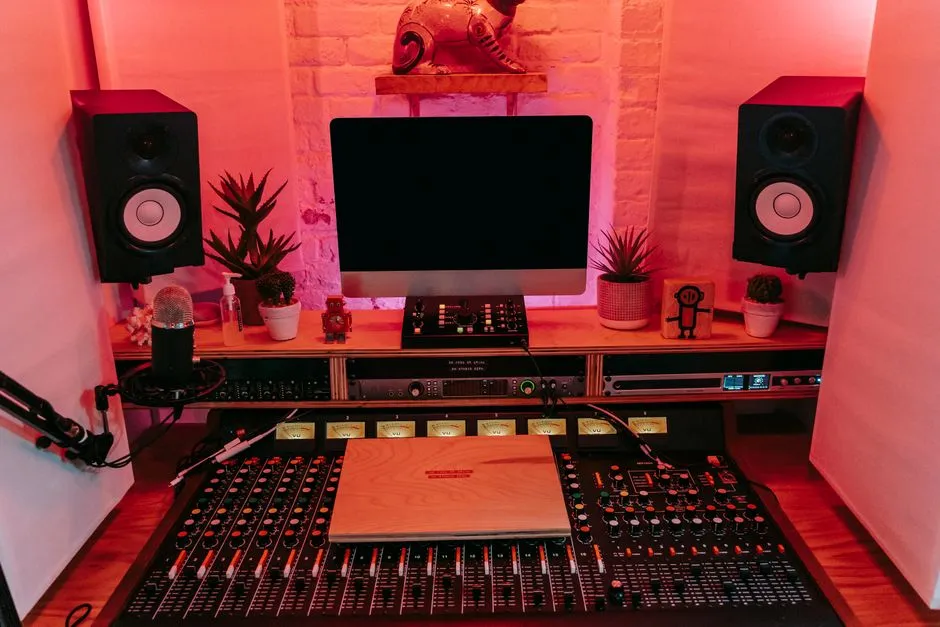
Recording & Production
Audio Interface Basics for Home Recording
An audio interface connects microphones, instruments, headphones, and speakers to recording software.
A useful home studio is not a shopping list. It is a room where ideas can travel from musician to recording without surviving six avoidable technical ambushes. These guides focus on signal flow, listening, repeatable setup, and decisions that serve the song. Expensive gear is welcome to audition, but it does not automatically get the part.
An audio interface connects microphones, instruments, headphones, and speakers to recording software.
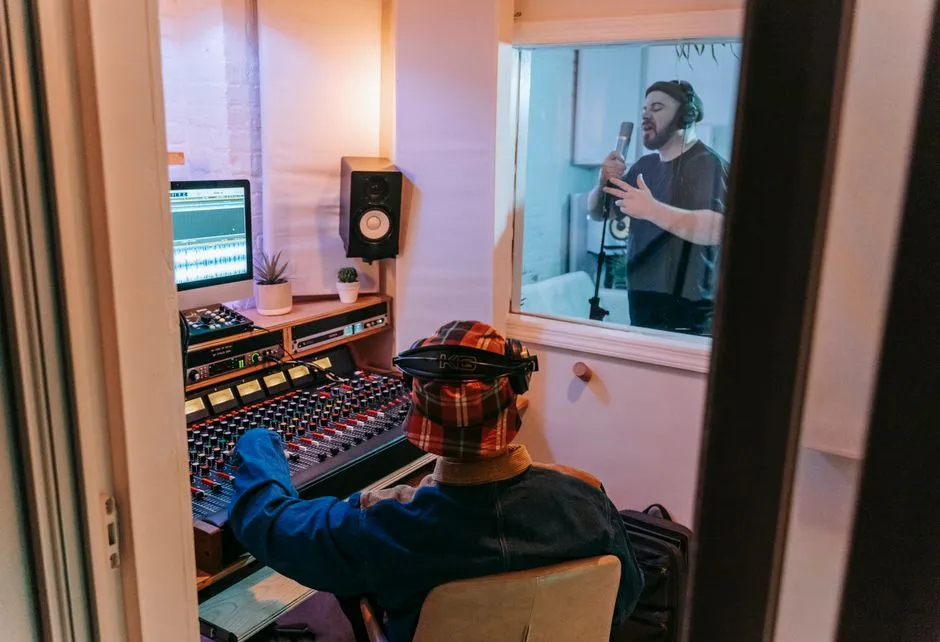
A useful home recording setup starts with the source, a suitable microphone or instrument input, an audio interface when needed, recording software, and a…
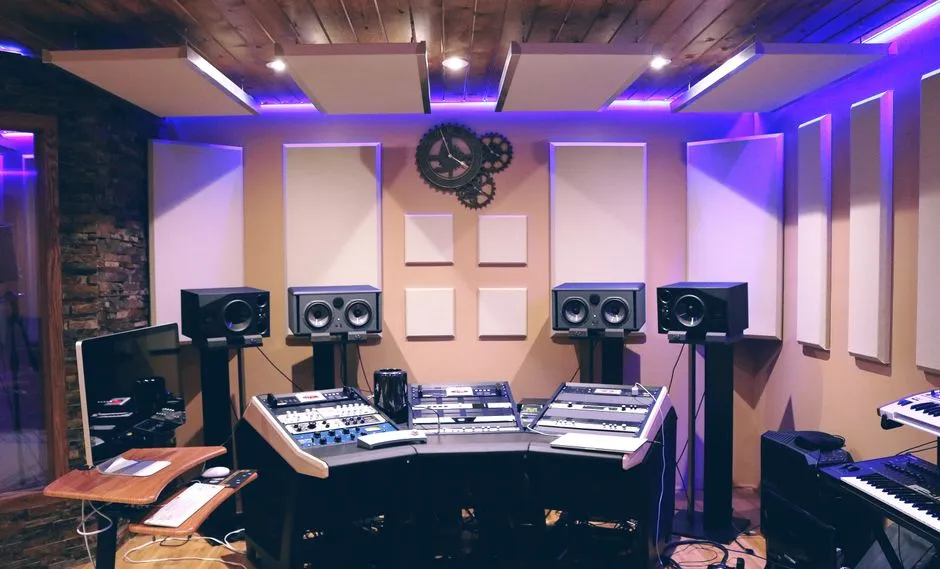
Treat a home studio by identifying the audible problem before buying panels.
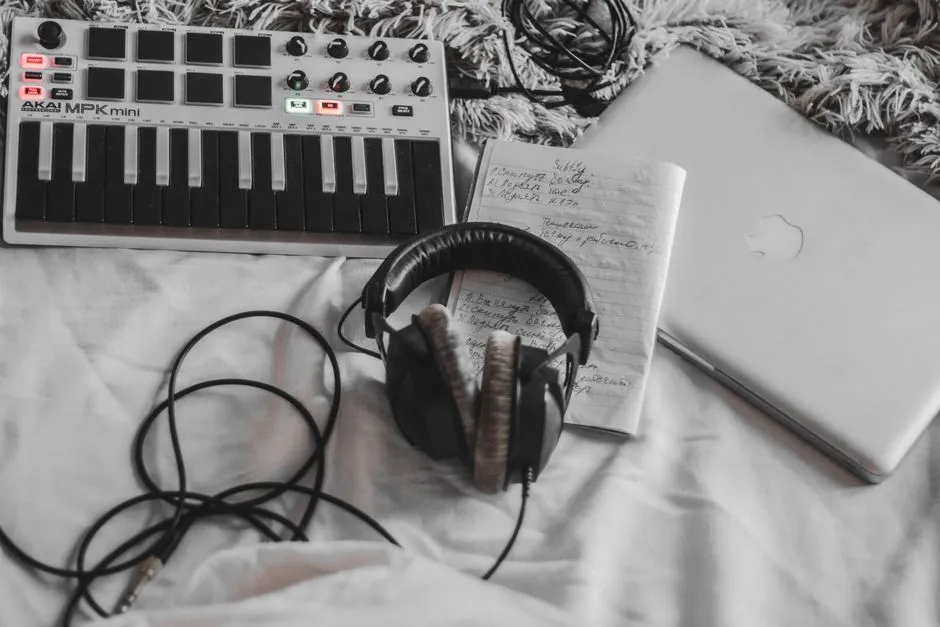
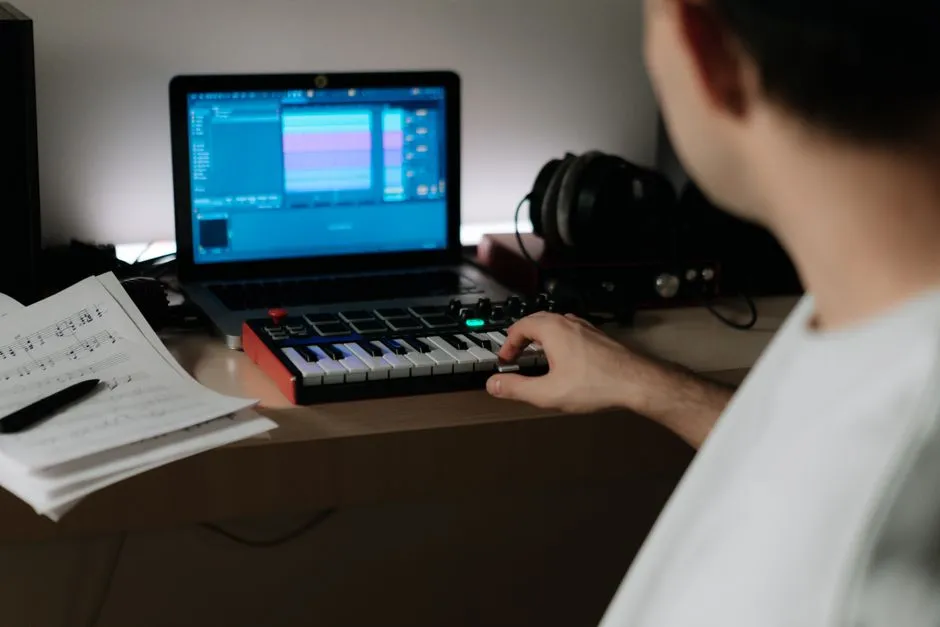
MIDI records performance instructions rather than finished sound: note pitch, start, duration, velocity, channel, and controller data tell an instrument…
Program human-feeling drums by giving each section a clear pulse, musical accents, playable relationships, and controlled variation rather than…
Record acoustic guitar at home by choosing a quiet position, securing the microphone stand and cable, and testing a microphone aimed near the neck-body…
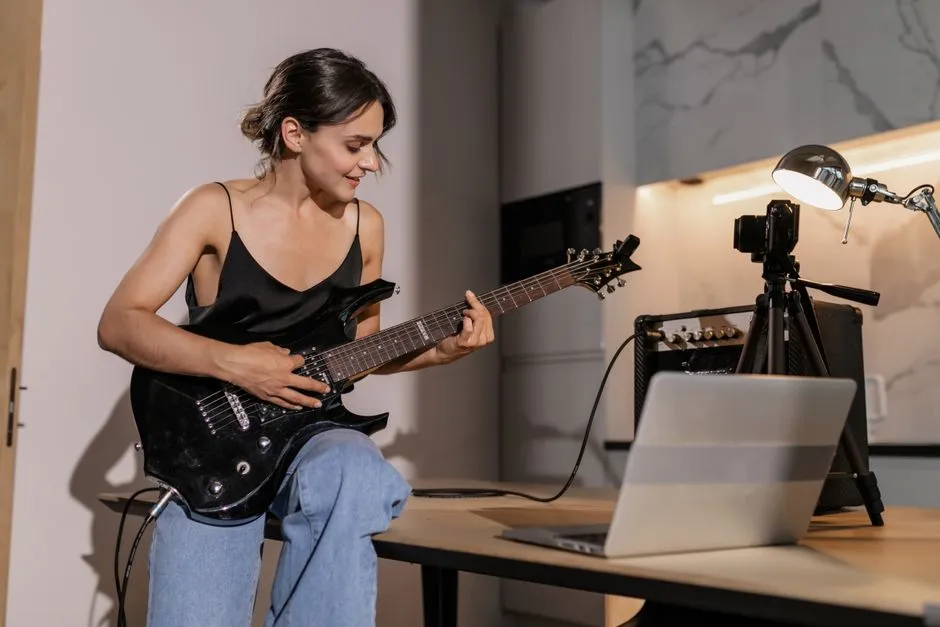
Record electric guitar at home through a direct input, a microphone on an amplifier, or both.
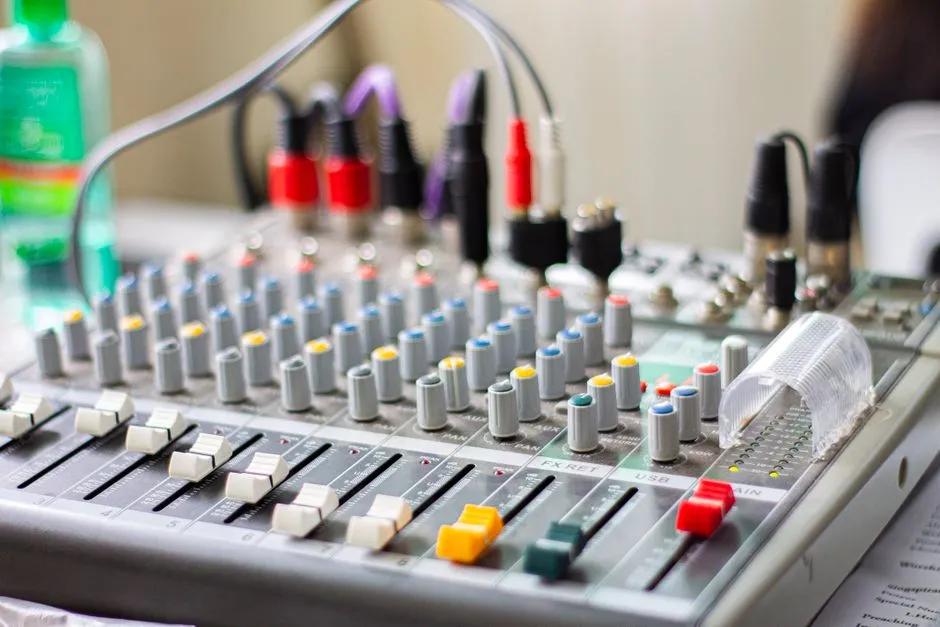
Recording gain staging means checking every point from the source through the preamp, processor, converter, software channel, and monitor path.
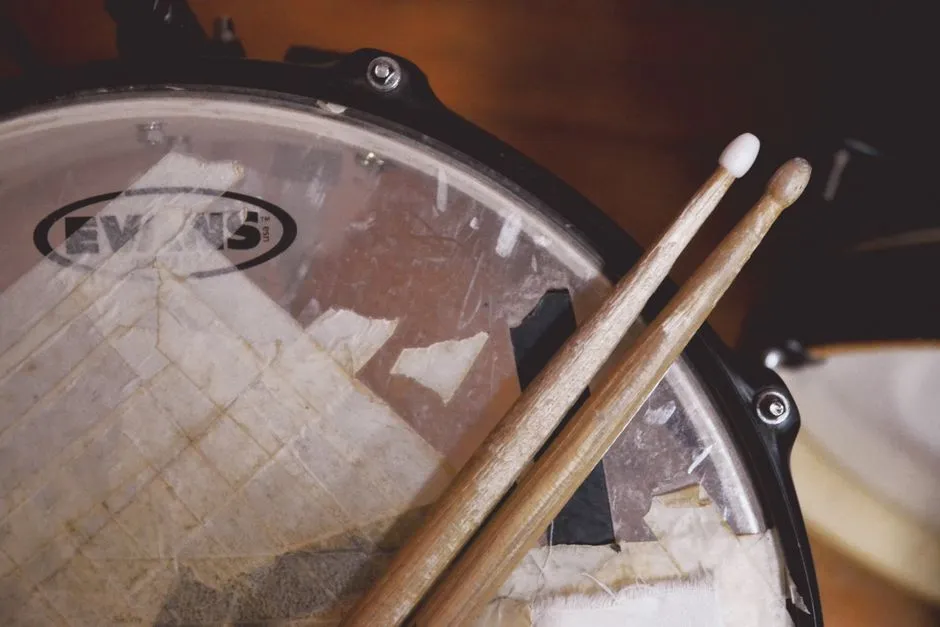
Arrange a song by mapping its sections, naming the lead focus in each one, and creating contrast through register, rhythm, density, harmony, texture, or…
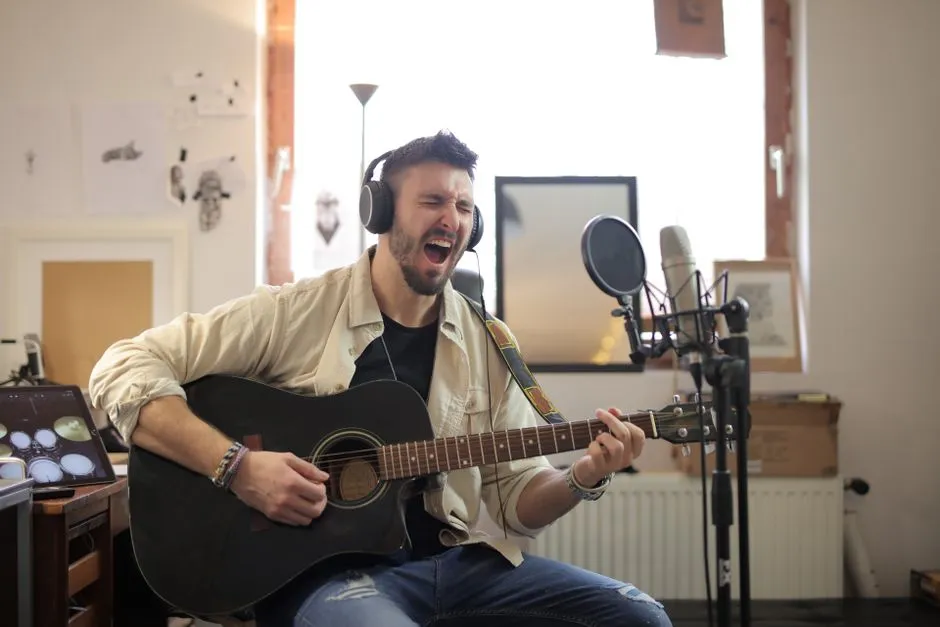
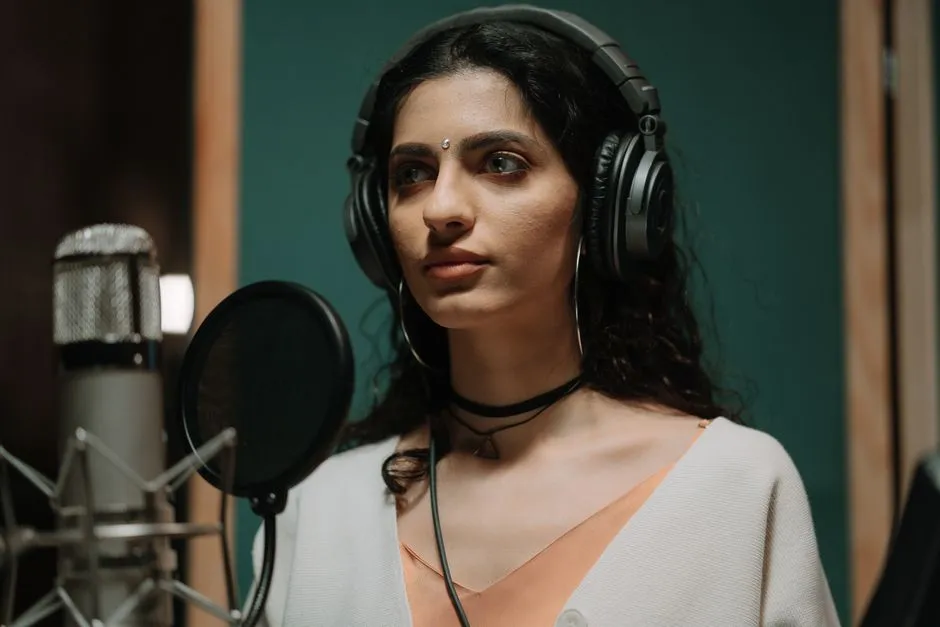
A vocal comping workflow begins with organized full takes and an untouched backup.
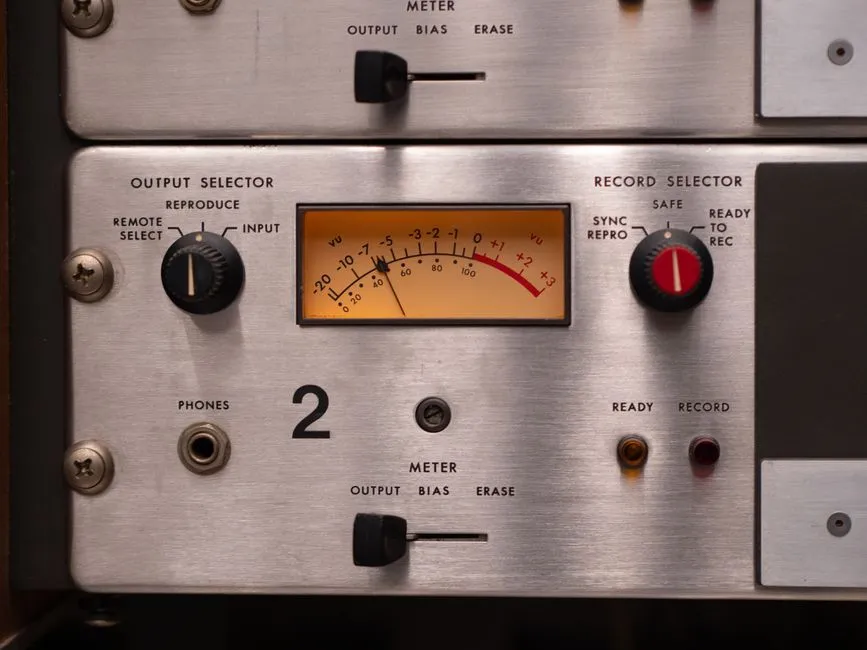
Begin vocal mic placement with the capsule aimed according to the microphone manual, a pop filter between singer and microphone, and a repeatable…