
Mixing & Release
Compression Basics for Mixing Without Guesswork
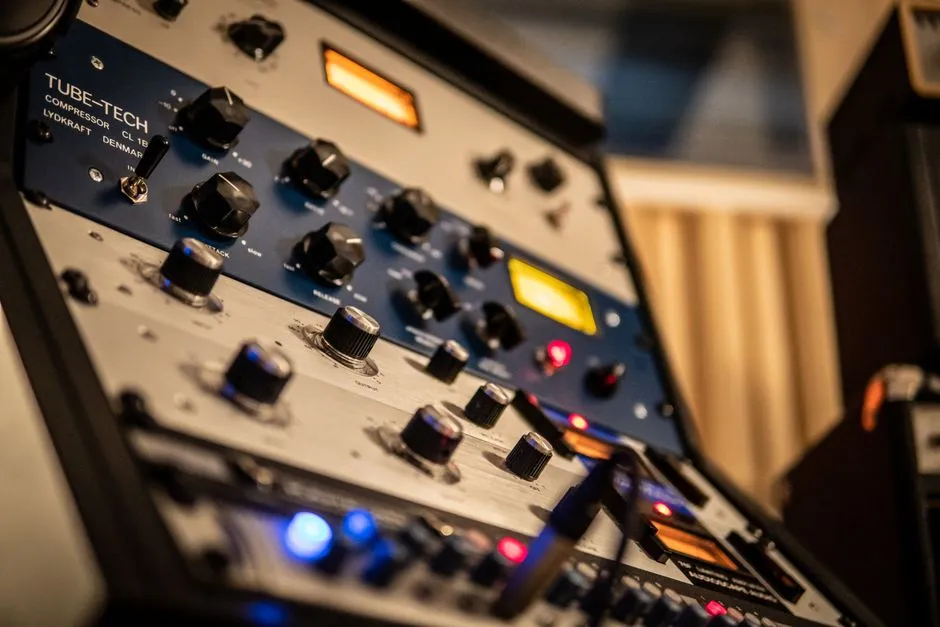
A compressor reduces level according to its threshold, ratio, attack, and release behavior.
Mixing is the art of deciding what matters at each moment, then persuading dozens of tracks to agree. Level, tone, dynamics, depth, and arrangement all share the same small apartment. These guides favor purposeful moves, comparisons that follow cited noise-exposure guidance, and organized files. The goal is a mix that travels well and a release folder that does not resemble an archaeological dig.
A compressor reduces level according to its threshold, ratio, attack, and release behavior.

Use EQ by naming an audible problem first, identifying which source causes it, and making the smallest move that improves the full arrangement.

Export a mix for mastering by confirming the approved session and asking the engineer or service for its current file requirements.

Make mixes translate by building a clear balance on one familiar primary system, then checking a small, repeatable set of headphones, speakers, mono…
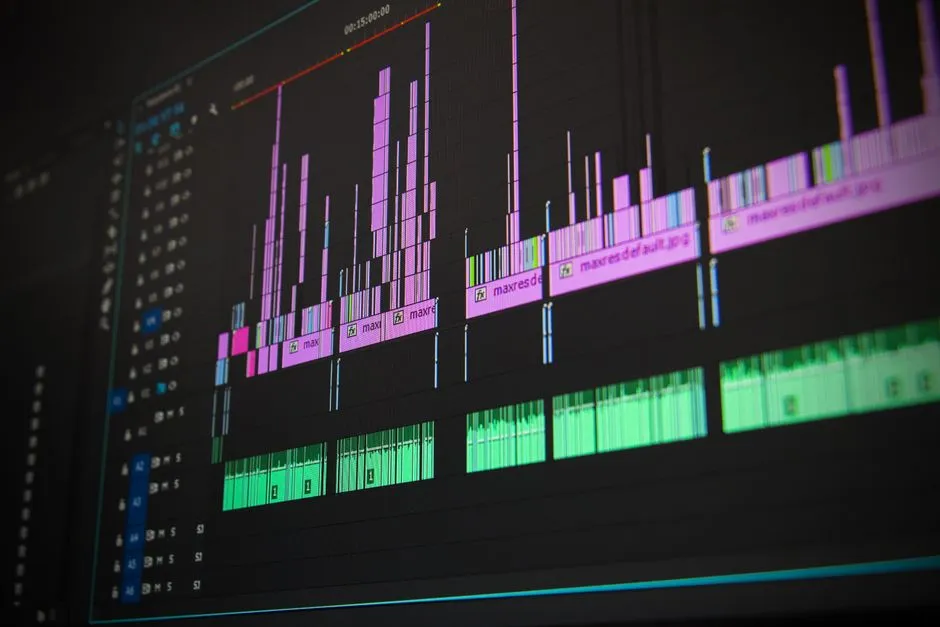
Prepare a music release by approving one final audio master, consistent artist and title information, complete contributor credits, cleared rights, and…

Organize each music project under one clearly named root folder with separate locations for sessions, recorded audio, imports, exports, notes, artwork,…
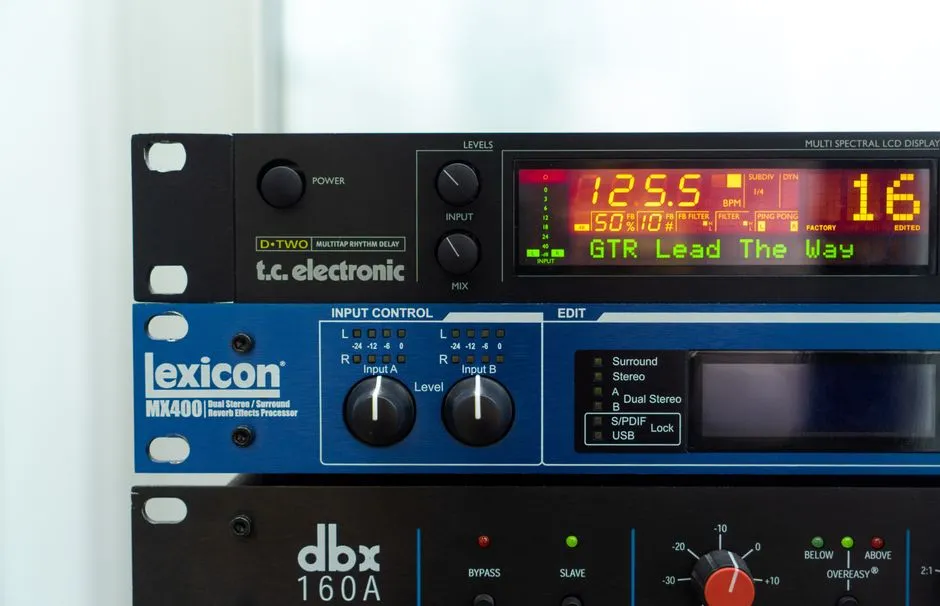
Choose reverb when you want a continuous sense of environment or tail, and delay when distinct repeats or rhythmic echoes better support the part.

Stems combine related tracks into grouped audio files; multitracks keep individual elements separate for further mixing.
Create stereo width by keeping a stable center and adding intentional left-right differences through separate performances, voicing, panning, tone,…

Use reference tracks by choosing legally accessed releases with a relevant style, arrangement, and emotional goal.